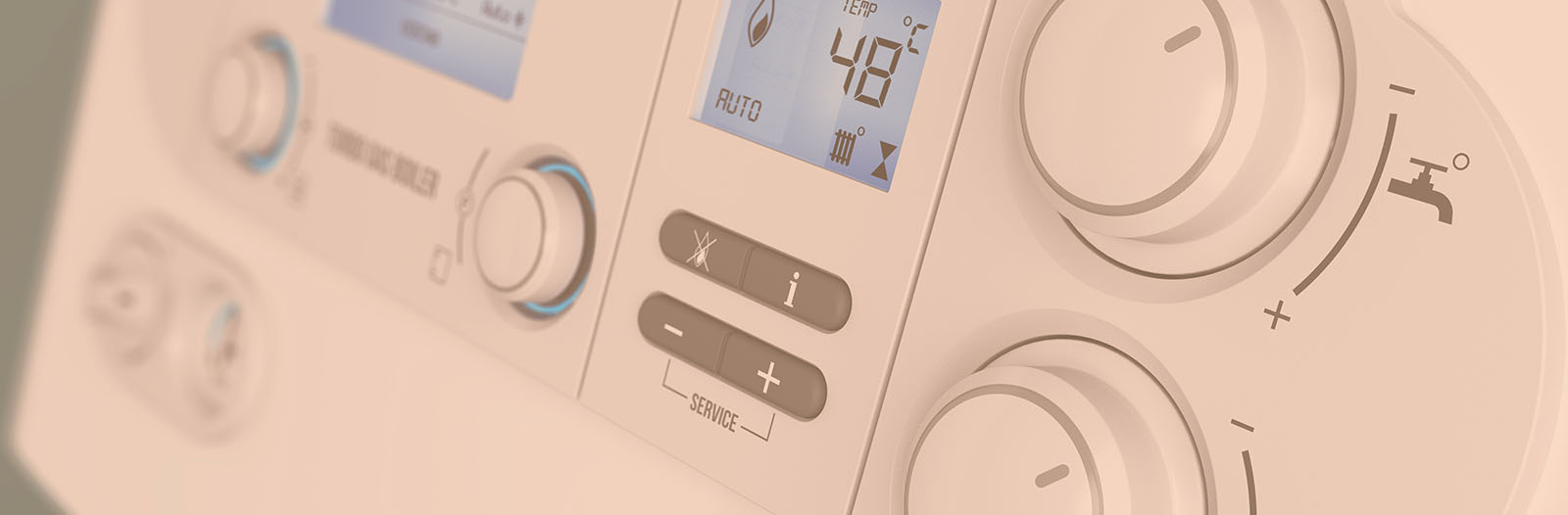
A boiler fault can disrupt your day quickly, leaving you without heating or hot water and unsure of what to do next. Many homeowners find themselves asking the same questions when their boiler begins to show signs of trouble. Understanding the basics of boiler repair in Ealing, Acton and Hanwell helps you make informed decisions, avoid unnecessary delays, and ensure your system is restored safely. This guide answers the most common boiler repair FAQs so you know what to expect when calling out a heating engineer.
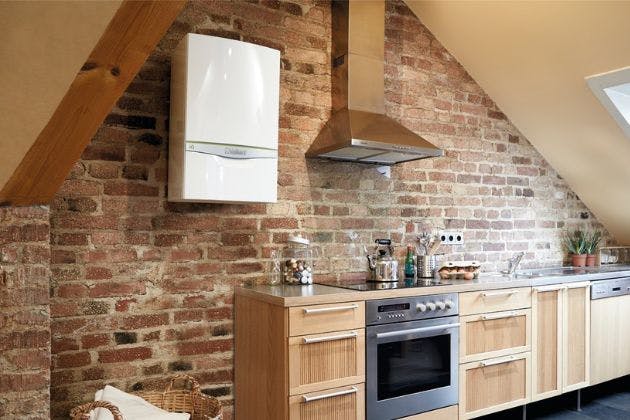
Common Questions About Boiler Repairs
What Are the Most Common Boiler Problems?
Boilers experience wear and tear over time, and several recurring issues tend to crop up. Low pressure, leaking components, faulty thermostats, air in the system, and blocked pipes can all affect how well your boiler performs. Some homeowners also notice banging, humming, or whistling noises, which often suggest limescale buildup, pump issues, or trapped air. Another frequent problem is the boiler repeatedly switching itself off, which may indicate poor circulation, overheating, or sensor faults. Each of these problems has a specific cause, and a proper diagnosis ensures the correct repair is carried out.
Should I Attempt to Fix My Boiler Myself?
While it might be tempting to troubleshoot a boiler fault on your own, most issues should not be handled without professional training. Boilers involve gas supply, electrical components, and pressurised systems, making DIY repairs dangerous and potentially illegal. Simple tasks such as checking the thermostat, topping up system pressure, or resetting the boiler are usually safe. However, anything that involves opening the boiler, dealing with wiring, or adjusting gas settings must be handled by a Gas Safe registered engineer. Attempting these repairs yourself can lead to further damage, higher costs, or unsafe operation.
How Long Does a Boiler Repair Usually Take?
Repair time varies depending on the complexity of the fault. Minor issues can often be fixed within a single visit and may take anywhere from 30 minutes to an hour. More complicated problems involving pumps, fans, or valves can take longer, especially if replacement parts are required. During the first visit, your engineer will diagnose the issue and provide an estimated time for completion. If parts need to be ordered, they will arrange a second visit once everything is ready, ensuring the repair is completed efficiently.
Will My Boiler Need New Parts?
Some repairs only require cleaning, adjusting settings, or removing blockages. However, many common faults stem from worn-out components. Over time, parts such as ignition systems, pressure sensors, diverter valves, and fans can deteriorate and eventually fail. Replacing faulty parts is often the most reliable way to restore your boiler to proper working order, and it also helps prevent related failures in the future. Your engineer will always confirm which parts are needed and explain why they are essential for the repair.
What If My Boiler Breaks Down Again After a Repair?
A repeat breakdown does not always mean the original repair was unsuccessful. Boilers can have multiple underlying issues, and fixing one component may reveal or stress another part that was already close to failing. If the same fault returns, it may indicate an issue deeper within the system, such as sludge build-up, poor circulation, or ageing mechanical parts. Regular breakdowns may also point to a boiler reaching the end of its lifespan. In these cases, your engineer will discuss whether further repairs are practical or if a replacement would be more cost-effective in the long term.
Is It Better to Repair or Replace an Older Boiler?
The decision to repair or replace depends on several factors. If your boiler is relatively new and the fault is minor, a repair is usually the sensible option. However, older boilers can become inefficient and may cost more in repeated repairs than they are worth. If your boiler is over ten to fifteen years old, struggles to maintain heat, or frequently needs attention, a replacement may be the smarter investment. Newer models are more efficient, quieter, and designed to reduce running costs. Your engineer will help you weigh up the cost of repairs against the long-term benefits of upgrading.
How Can I Prevent Boiler Breakdowns in the Future?
Prevention is the best way to avoid unexpected repairs. An annual boiler service keeps your system running safely and efficiently by checking key components, cleaning internal parts, and identifying early warning signs. Keeping your system pressure stable, ensuring your radiators are bled, and addressing small issues quickly also helps protect the boiler. For homes in areas with hard water, installing a magnetic filter or system cleaner can reduce the risk of sludge and scale buildup, giving your boiler a longer lifespan.
Need Boiler Repair in Ealing, Acton and Hanwell?
Boiler Boys London provides dependable and efficient boiler repair services. If your boiler is making noises, losing pressure, or failing to provide consistent heating, our team is ready to diagnose and repair the issue quickly. Call us on 07402806032 or fill out our contact form to schedule your boiler repair today.