Boiler corrosion is one of the most common reasons boilers lose efficiency, suffer repeated faults, or fail earlier than expected. It often develops gradually inside the system, meaning many homeowners are unaware there is a problem until heating performance drops or repairs become unavoidable. Knowing what causes boiler corrosion and how to prevent it can help protect your heating system, reduce running costs, and avoid unexpected breakdowns.
Common causes of boiler corrosion in domestic heating systems
Oxygen entering the heating system
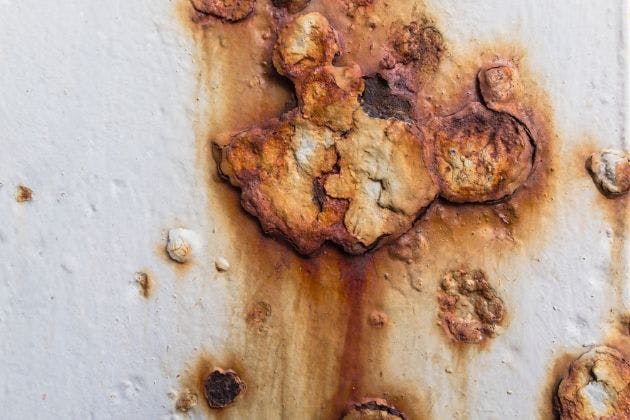
Oxygen is a primary trigger for corrosion. It can enter the system during installation, routine repairs, radiator bleeding, or through tiny leaks in pipework and fittings. Once oxygen mixes with the system water, it reacts with steel and iron components, forming rust that gradually damages internal surfaces.
This process often accelerates in systems that lose pressure regularly, as fresh water is introduced more frequently. Each top-up brings in new oxygen, increasing the risk of corrosion across the entire system.
Sludge and debris accumulation
Sludge is created when rust particles, dirt, and debris circulate through the heating system and settle in low-flow areas. Over time, sludge can block radiators, restrict pipework, and reduce water flow through the boiler. This not only lowers heating efficiency but also creates pockets where corrosion becomes more aggressive.
As sludge builds up, the boiler has to work harder to achieve the desired temperature, placing extra strain on the pump and heat exchanger. Left untreated, this can lead to premature component failure.
Limescale caused by hard water
In hard water areas, limescale is a major contributing factor to boiler damage. While limescale itself is not the cause of corrosion, it forms an insulating layer on internal components. This forces metal parts to overheat, weakening them and making them more vulnerable to corrosion over time.
Repeated overheating can also cause cracking or distortion in the heat exchanger, which is one of the most expensive boiler components to replace.
Poor water quality and missing inhibitors
Central heating systems rely on chemical inhibitors to protect metal components from corrosion. If inhibitor levels are too low, diluted, or absent altogether, corrosion can develop rapidly. This is particularly common in older systems or after repairs, where the system has been partially drained and refilled without rebalancing the water chemistry.
Without proper protection, even modern boilers can suffer internal damage much sooner than expected.
Lack of regular servicing and maintenance
Boilers that are not serviced regularly are more likely to develop corrosion-related issues. During a service, engineers check pressure levels, inspect components, test water quality, and look for early signs of sludge or leaks. Without these checks, small problems can go unnoticed until corrosion has already caused significant damage.
Routine maintenance plays a crucial role in keeping the system sealed, balanced, and operating as intended.
Boiler corrosion prevention services in Ealing, Acton and Hanwell
Looking to protect your boiler from corrosion in Ealing, Acton and Hanwell? Boiler Boys London offers professional boiler servicing, system cleaning, inhibitor treatments, and ongoing maintenance to help extend the lifespan of your heating system. Call us on 07402806032 or fill out our contact form to book a service today.